How to Buy Land for a Modular Self-Build in the UK
By the The Modular Home Review team
Updated 2026
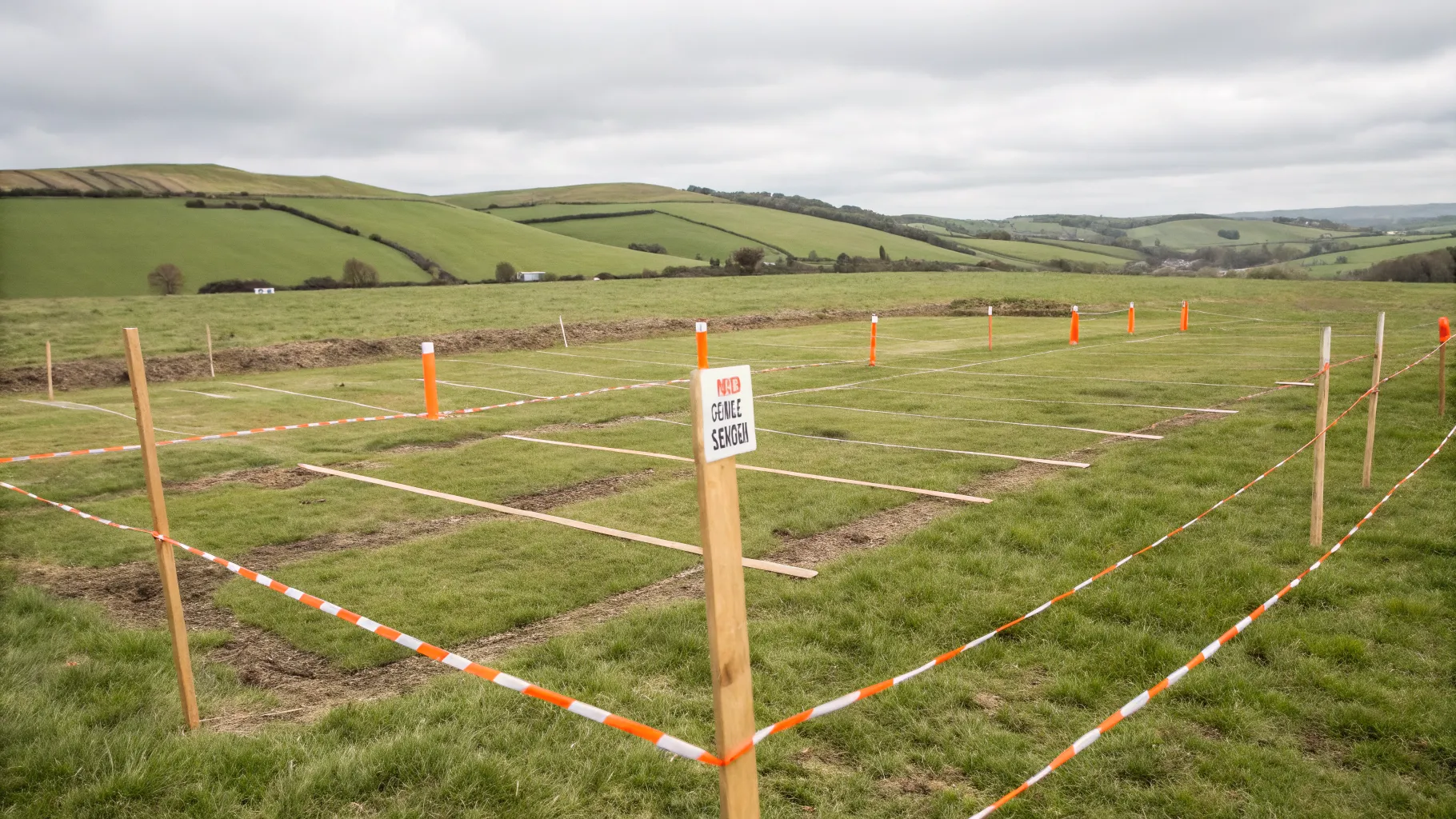
The hardest part of a modular home project is rarely the house; it is the land. A factory can build your home in weeks, but to buy land for a modular self-build you first have to find a plot, confirm it can actually be built on, and check that a crane and modules can reach it. Get the land right and the rest of the project is comparatively smooth. Get it wrong and no amount of clever offsite construction will save you. This guide walks through finding plots, checking the planning, and the due diligence that protects your money.
Where to find building plots
Plots rarely sit on the open market the way houses do, so you have to look in several places at once:
- Plot-finding portals. Specialist sites list building plots and land with planning permission, and the main property portals (Rightmove, Zoopla) let you filter for land. Set alerts, because good plots go quickly.
- Estate agents and land agents. Tell local agents exactly what you want. Many plots are sold quietly before they are ever advertised.
- Your council’s Right to Build register. Under the Self-build and Custom Housebuilding Act, English councils must keep a register of people who want to build their own home, and gauge demand against it. Joining is usually free and can put you in front of serviced plots, and sometimes in touch with landowners directly.
- Local knowledge. A walk around the area spots infill gaps, large gardens ripe for a plot, and tired buildings worth replacing that never reach a portal.
Serviced plots: the lower-risk route
A serviced plot is one where an enabling developer has already secured outline planning and installed the key infrastructure, the access road, and connections for water, drainage, electricity and broadband, sometimes even the foundations. You buy a plot you know is viable and buildable, which strips out much of the time and risk of starting from a bare field. For a modular build especially, a serviced plot pairs neatly with a fast factory programme. Expect to pay more per plot than for raw land, in exchange for far less uncertainty.
Check the planning permission before anything else
This is where self-builders lose money, so be methodical.
Planning permission attaches to the land, not to you, so permission granted to a previous owner still applies. But you must read what that permission actually allows.
- Outline vs full permission. Outline permission establishes that a home can be built in principle but leaves the details (“reserved matters”) to be approved later. Full (detailed) permission approves the specific design. A plot with only outline consent is cheaper but carries the risk that your modular design is not approved at reserved-matters stage.
- Check the Decision Notice date. Permission typically lapses after three years if work has not lawfully begun, so confirm how long is left and whether it has been implemented.
- Read the conditions. Conditions can dictate materials, height, access and more, and some can quietly rule out the look or layout you want.
- Confirm it suits modular. Most authorities judge the finished house, not how it was built, but check there is nothing restricting construction method, and that the design you intend can meet the conditions.
If a plot has no permission at all, treat any purchase as conditional on getting it, ideally with a contract that only completes once acceptable planning is granted. Our guide to planning permission for modular builds covers the process in more depth.
Can the site take a modular home?
A modular home is delivered as large volumetric units or panels, so access is a make-or-break check that does not apply to a normal brick build:
- Crane and delivery access. Modules arrive on lorries and are usually craned into place. Confirm a low-loader can reach the site and there is room to set up a crane with clear airspace (no low cables or overhanging trees in the lift zone).
- Road and bend constraints. Narrow lanes, tight bends, weak bridges and weight limits can stop a module reaching the plot. Ask your manufacturer to assess the route early.
- Ground conditions. Commission a ground investigation. Poor or sloping ground means a more expensive foundation, which can swing the whole budget. See modular home foundations for what to expect.
The due diligence that protects your money
Before you commit, your solicitor and surveyor should confirm:
- Legal access and rights of way. You need a guaranteed right to get to and from the plot; a ransom strip (land someone else owns between the road and your plot) can hold a project hostage.
- Services. Check the real cost and route of connecting water, drainage, electricity and broadband. Connections to a remote plot can run into many thousands.
- Covenants and restrictions. Restrictive covenants can limit or forbid building. An Article 4 direction can remove permitted development rights.
- Flood risk and contamination. Check the flood zone and any history of contamination or made-up ground.
- Biodiversity Net Gain. Most new planning permissions in England now require a measurable biodiversity net gain, typically delivered on site or through approved off-site units. Factor this into both design and budget.
Paying for the land
Land is often bought with cash or a self-build mortgage that releases funds in stages as the build progresses, rather than a standard residential mortgage. Lenders treat plots and modular construction cautiously, so line up finance in principle before you offer. New self-build homes also usually qualify for a VAT reclaim on eligible materials, which is worth planning for from the start. Our prefab and modular mortgage guide explains how stage payments work, and modular home cost in the UK sets out the wider budget.
For the official process, the government’s Planning Portal self-build pages and your local council’s Right to Build register are the right starting points.
Frequently asked questions
How do I find land to buy for a self-build? Look in several places at once: plot-finding portals and the land filters on Rightmove and Zoopla, local estate and land agents, and your council’s Right to Build register, which can point you to serviced plots. Local knowledge helps too, since many infill plots and large gardens never reach a portal. Set alerts, because good plots sell fast.
Does land for a modular home need planning permission? Yes. The plot needs planning permission that allows a home to be built, and permission attaches to the land rather than the buyer. Check whether it is outline or full permission, read the conditions, and confirm the Decision Notice date, since permission usually lapses after three years if work has not lawfully begun.
What is a serviced plot? A serviced plot is one where an enabling developer has secured outline planning and installed the access road and utility connections, sometimes the foundations too. You buy a site that is already proven viable and buildable, which removes much of the time and risk of starting from raw land and suits a fast modular build well.
Can a modular home be delivered to any plot? No. Modules are large and usually craned into place from a lorry, so you must confirm the delivery route (lane width, bends, bridges and weight limits) and that there is room to set up a crane with clear airspace. Ask your manufacturer to assess access early, before you commit to the land.
Do I need a special mortgage to buy a self-build plot? Usually, yes. Plots and modular construction are often funded with a self-build mortgage that releases money in stages as the build progresses, rather than a standard residential mortgage. Arrange finance in principle before you make an offer, and remember new self-build homes typically qualify for a VAT reclaim on eligible materials.
Independence note
We buy or borrow access to the builds we cover and accept no payment from manufacturers for reviews. If that ever changes on a given piece, we tell you at the top.
More from The Modular Home Review
All articles →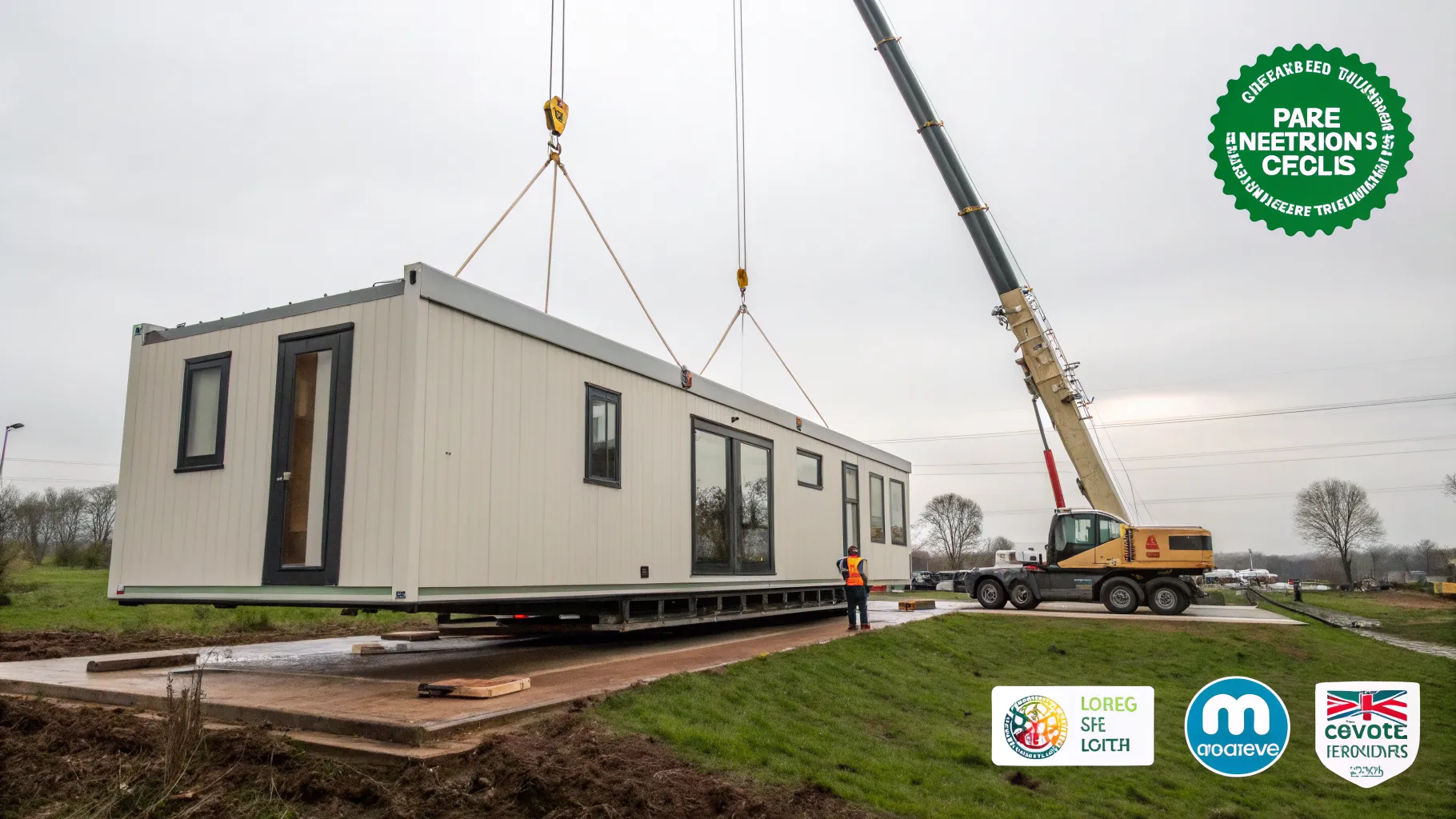
How Much Does a Modular Home Cost in the UK? 2026 Price Breakdown Per m2
Modular home cost UK: a 2026 per m2 breakdown covering the module, groundworks, connections, planning and the hidden extras most quotes leave out.
Do You Need Planning Permission for a Modular Extension? UK Rules Explained
Most modular extensions fall under permitted development and need no planning permission. Here are the UK size limits, prior approval and building regs rules.
Can You Get a Mortgage on a Prefab House? UK Lender Guide for 2026
Yes, you can get a prefab house mortgage in the UK. Here is which lenders accept them, the deposit you need, and the certificates that make or break your case.