Modular vs Traditional Build: Cost, Speed, Quality and Mortgage Compared
By the The Modular Home Review team
Updated 2026
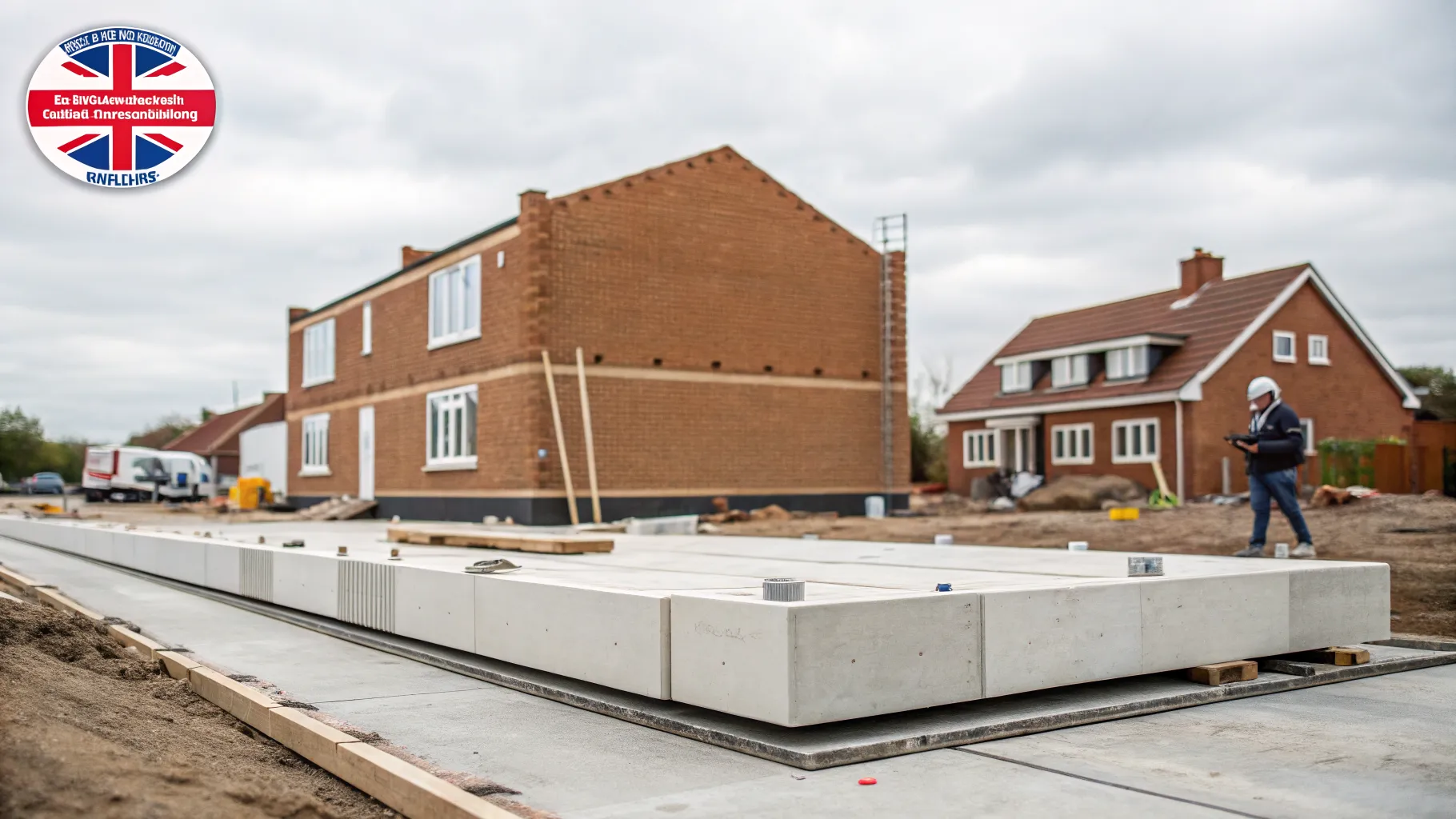
Most pages comparing modular and traditional build start from a number that does not apply to you. A figure like £900 to £2,000 per square metre gets quoted as if it settles the question, but that range is usually for modular offices, classrooms or commercial cabins, not a residential dwelling on permanent foundations. The honest comparison for a UK self-builder is narrower and more interesting: factory-built (modular and other offsite methods) against traditional brick-and-block masonry, judged on cost certainty, build speed, energy performance, warranty, and whether a lender will actually finance it.
This guide sticks to real homes you can live in, mortgage and sell. It is an editorial comparison, so there are no products to buy here, just the trade-offs.
First, get the terminology straight
“Modular” specifically means three-dimensional volumetric units assembled in a factory and craned onto site. It sits inside a wider family called offsite construction, or MMC (Modern Methods of Construction), which also covers closed-panel timber frame, SIPs (structural insulated panels) and ICF (insulated concrete formwork). When people say “modular vs traditional,” what they usually mean is “factory-built vs site-built masonry.”
One distinction matters more than any other to lenders, valuers and conveyancers:
- A modular home sits on permanent foundations, complies with Building Regulations, and is mortgageable like any other house.
- A park home or mobile home falls under caravan legislation. It does not get a standard residential mortgage, and it depreciates more like a vehicle than a house.
A lot of cheap “modular home” search results are actually garden rooms or park homes. If a price looks too good, check what you are really looking at. The rest of this article is about genuine dwellings.
Cost: the per-square-metre trap
Here are defensible 2025/26 UK ranges for a traditional masonry self-build:
| Basis | Traditional brick-and-block (UK, 2025/26) |
|---|---|
| Construction only | roughly £1,400 to £3,000 per m² |
| Turnkey (finished, depending on spec) | roughly £2,300 to £3,600+ per m² |
Now the part the ranking pages get wrong: modular is not automatically cheaper per square metre for a one-off self-build. Factory savings come from volume and repeat units, which is why developers building 200 identical homes see real reductions. The widely quoted “7 to 36% cheaper” and “labour cut 40 to 50%” figures are volume and commercial numbers. For a single bespoke house, you add craneage, transport (sometimes with road escorts), factory minimum-order costs and a design that cannot easily change once it is on the production line.
Crucially, groundworks are not saved. Your foundations, drainage and service connections are still on-site traditional work, priced and dug the same way whether the house above them is masonry or modular. A bespoke modular self-build can land at a similar cost to masonry, and sometimes more.
So where is the real cost advantage? Price certainty. A factory agrees a fixed price upfront for the bulk of the build. Traditional masonry projects routinely run 8 to 15% over budget once you count weather delays, change orders and labour rate movements. If you value a number you can rely on more than a headline rate, that is the modular cost story worth paying attention to.
Speed: the strongest modular win
This is where modular genuinely beats masonry, and where the gap is hardest to argue with. The factory and the site run in parallel. While your groundworks team digs and pours foundations on the plot, the factory is building the frame, fitting insulation, running mechanical and electrical first fix, glazing the windows and finishing internal walls. Around 80 to 90% of the build can be completed indoors, with no rain stopping work.
When the modules arrive, craning the structure onto the foundations often takes one to three days. The house is weathertight in days rather than the weeks a masonry shell takes to reach the same point.
| Phase | Traditional masonry | Modular / offsite |
|---|---|---|
| Construction phase (typical) | about 9 to 12+ months | factory-to-watertight measured in weeks |
| Weather exposure | high (open shell for months) | low (built indoors) |
| On-site structure install | weeks | often 1 to 3 days |
Overall programme reductions of 30 to 50% are realistic, with some volume projects claiming more.
Two caveats the cheerleader pages skip:
- The design must freeze early. Once a module is on the production line, late changes are expensive or impossible. Indecisive clients lose the speed benefit fast.
- Planning and groundworks lead times are the same. Your speed gain is the build phase only. If planning takes nine months, modular does not shorten that.
Quality and energy efficiency: factory precision
A controlled factory environment gives you repeatable quality control, materials that never sit out in the rain, and less of the snagging variance that comes from site-dependent workmanship. That shows up most clearly in two numbers.
U-values (lower is better, less heat lost):
| Build type | Typical wall U-value (W/m²K) |
|---|---|
| Closed-panel / timber-frame modular | about 0.13 to 0.18 |
| SIPs | about 0.20 to 0.25 |
| Brick-and-block cavity (well insulated) | about 0.30 |
To get a masonry cavity wall down to 0.25, you typically need to add around 50mm of wall thickness, which eats into your internal floor area.
But the real differentiator is airtightness, not just insulation. Factory precision delivers consistently low air permeability. Tightening from around 4.5 to 1 m³/m²/hr cuts heating demand sharply for only about 2 to 3% extra build cost. Pushing the same heating saving through insulation alone can add roughly 20% to cost for little gain. On site, airtightness depends on a contractor getting hundreds of small details right in cold and wet conditions; in a factory, it is engineered and inspected. That is the quietest, most underrated advantage of going offsite.
Mortgageability: the section that decides everything
You can love the speed and the U-values, but if you cannot finance it, none of it matters. By default, lenders treat modular and other offsite homes as non-standard construction. The practical consequences:
- Fewer lenders. Not every high-street name will lend; you may need a specialist lender or a broker who knows the MMC market.
- Bigger deposit. Expect roughly 15 to 25% versus the 5 to 15% common for standard masonry.
- Possibly higher rates, reflecting the smaller lender pool.
What flips a house from “non-standard headache” to “mortgageable and resaleable” is a recognised accreditation and warranty. People muddle these three schemes constantly, so here is the difference that lenders and valuers actually care about.
BOPAS, NHBC Accepts and Premier Guarantee are not the same thing
BOPAS (Buildoffsite Property Assurance Scheme) accredits the construction system and the manufacturer. It independently assures that the building method will remain durable and saleable for a minimum of 60 years, framed as “two mortgage terms.” It was jointly developed by Buildoffsite, RICS, Lloyd’s Register and BLP, in consultation with the (then) Council of Mortgage Lenders and the Building Societies Association, specifically to reassure lenders. Important nuance: BOPAS is an accreditation, not a warranty in itself. See the official explanation at BOPAS.
NHBC Accepts (NHBC System Review) is a fast-track review of innovative MMC systems so they qualify for NHBC’s Buildmark warranty. It is recognised by Homes England and UK Finance and is described as a key part of a valuer’s due diligence; NHBC warranties sit behind roughly 70 to 80% of UK new homes. It confirms a system is acceptable for warranty; it is explicitly not a performance guarantee. Details at NHBC System Review.
Premier Guarantee is a structural warranty provider. Its Technical Manual Section 21 covers MMC (volumetric, closed-panel, SIPs and ICF). The manufacturer’s system must be accepted before a quote: Premier Guarantee audits design, quality control, assembly, transport and on-site installation, assesses a 60-year design life, and runs factory inspections plus an initial trial site.
The short version: BOPAS and NHBC Accepts accredit the system; NHBC Buildmark and Premier Guarantee are the actual 10-year structural warranties on your specific home. You want both halves.
Before you commit to a manufacturer or a plot, confirm in writing:
- The manufacturer’s system holds BOPAS and/or NHBC Accepts.
- Your specific home will carry a 10-year structural warranty (NHBC Buildmark or Premier Guarantee).
That pairing is exactly what makes the house lendable now and saleable later.
Resale and the risk nobody else mentions
If a modular home is mortgageable and warranted, it tends to hold and grow value broadly like masonry. The drag is the financing pool: if fewer buyers can get a mortgage on it, the resale market is thinner, which can soften the price. Public unfamiliarity still hurts some valuations, with buyers wrongly assuming a “temporary structure.”
Then there is the issue ranking pages almost never raise: manufacturer insolvency. The UK modular sector has had a brutal couple of years.
- Ilke Homes went into administration in June 2023, with around 1,100 jobs lost and debts reported above £300m.
- Legal & General Modular Homes stopped making modular homes and is closing down.
- TopHat wound down its modular operations across 2024/25, with reported losses around £50m.
- Caledonian Modular, Connect Modular (administrators January 2025), Mid Group, Eco Modular Buildings and ModPods also failed or stopped.
The UK Government launched an inquiry into MMC after this run of collapses. For a self-builder the lesson is concrete: pick an established manufacturer, understand what system support survives if the maker goes under, and remember that your structural warranty (NHBC or Premier Guarantee) sits with the home, not the bankrupt company. A 10-year warranty on the building is your protection precisely when the factory that made it no longer exists.
So which should you choose?
Modular suits you if you want a faster build phase, strong airtightness and energy performance, and a fixed price you can plan around, and you choose a manufacturer whose system is accredited and whose home will carry a recognised structural warranty. Traditional masonry suits you if you want maximum lender choice, a smaller deposit, design flexibility late into the build, and a construction type every valuer already understands.
The real trade-off is not “modular is better” or “traditional is cheaper.” It is speed, energy and cost certainty on one side, against finance friction and insolvency risk on the other. Get the warranty and the manufacturer right and modular is a serious option; get them wrong and the build that went up in three days can be the house you struggle to mortgage or sell.
For more on the methods and decisions around offsite homes, see our guides on self-build mortgages and finance, timber frame versus SIPs and how modular homes are built step by step.
Frequently asked questions
Can you get a mortgage on a modular or prefab home? Yes, but not from every lender. Modular is treated as non-standard construction, so you often need a specialist lender or an MMC-aware broker, a larger deposit (commonly 15 to 25%), and a home built on a system with BOPAS or NHBC Accepts accreditation plus a 10-year structural warranty.
Is a modular home cheaper than building traditionally? Not reliably for a one-off self-build. Factory savings come from volume, and groundworks, foundations and service connections cost the same either way. The genuine financial benefit is price certainty: a fixed factory price versus the 8 to 15% overruns common on masonry projects.
How long does a modular home take to build compared to traditional? The build phase is much faster. Factory and site run in parallel, the structure often craned in one to three days and weathertight within days. Overall programme reductions of 30 to 50% are realistic, though planning permission and groundworks take the same time as a traditional build.
Do modular homes hold their value or depreciate? A mortgageable, warranted modular home appreciates broadly like masonry. Value can soften if fewer buyers can finance it or if local buyers wrongly assume it is temporary. This is different from a park or mobile home, which depreciates and does not qualify for a standard mortgage.
What warranty does a modular home need, and how is BOPAS different from NHBC? You want two things: system accreditation (BOPAS and/or NHBC Accepts) confirming the construction method is sound for 60 years, and an actual 10-year structural warranty on your home (NHBC Buildmark or Premier Guarantee). BOPAS and NHBC Accepts approve the system; Buildmark and Premier Guarantee are the warranties that pay out.
What happens if the modular company goes bust? Several UK manufacturers have failed recently, including Ilke Homes and parts of TopHat and Legal & General. Your structural warranty sits with the home, not the manufacturer, so an NHBC or Premier Guarantee policy still covers the building. Choose an established maker and confirm what after-sales and system support would survive an insolvency before you sign.
Independence note
We buy or borrow access to the builds we cover and accept no payment from manufacturers for reviews. If that ever changes on a given piece, we tell you at the top.
More from The Modular Home Review
All articles →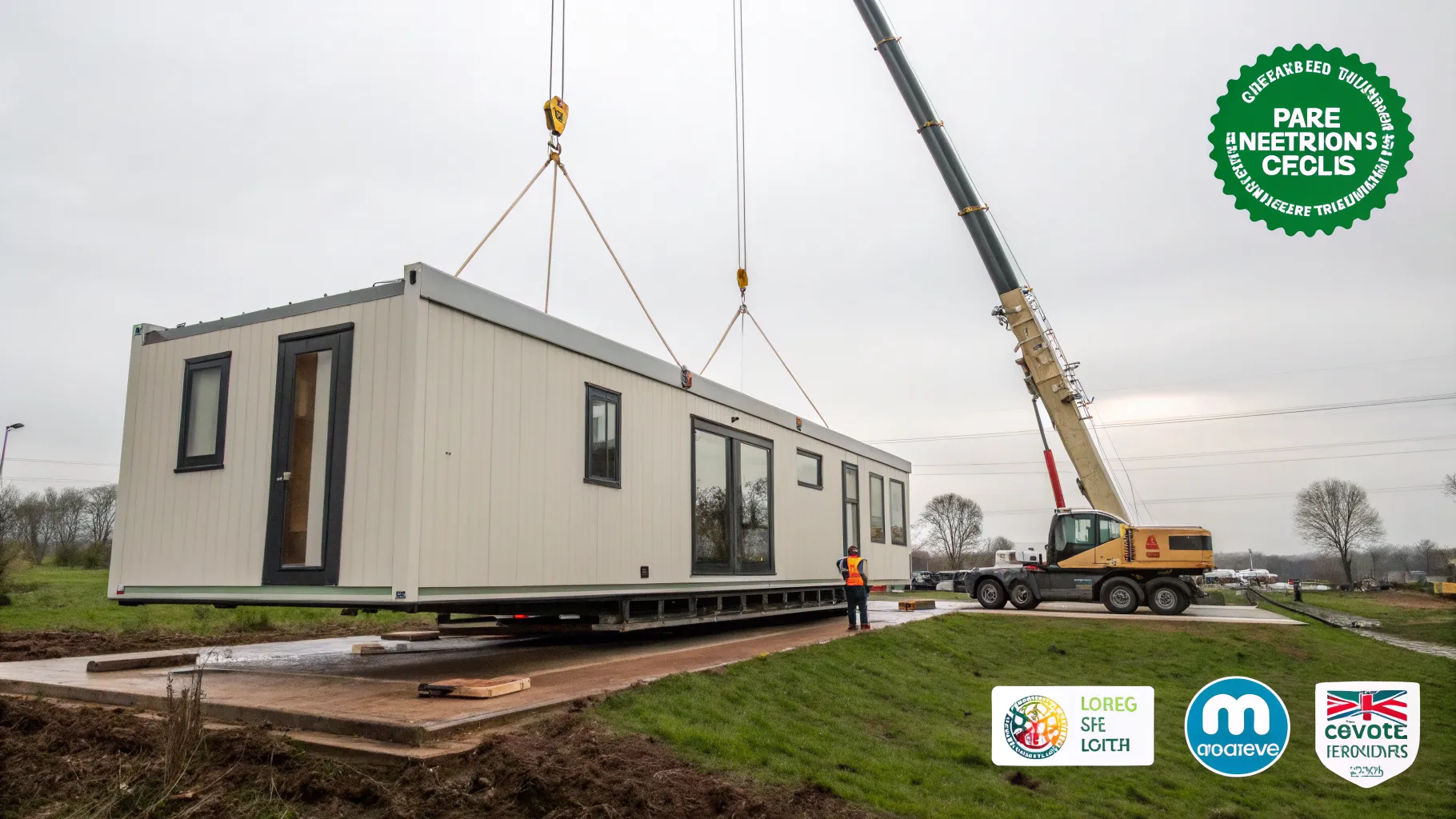
How Much Does a Modular Home Cost in the UK? 2026 Price Breakdown Per m2
Modular home cost UK: a 2026 per m2 breakdown covering the module, groundworks, connections, planning and the hidden extras most quotes leave out.
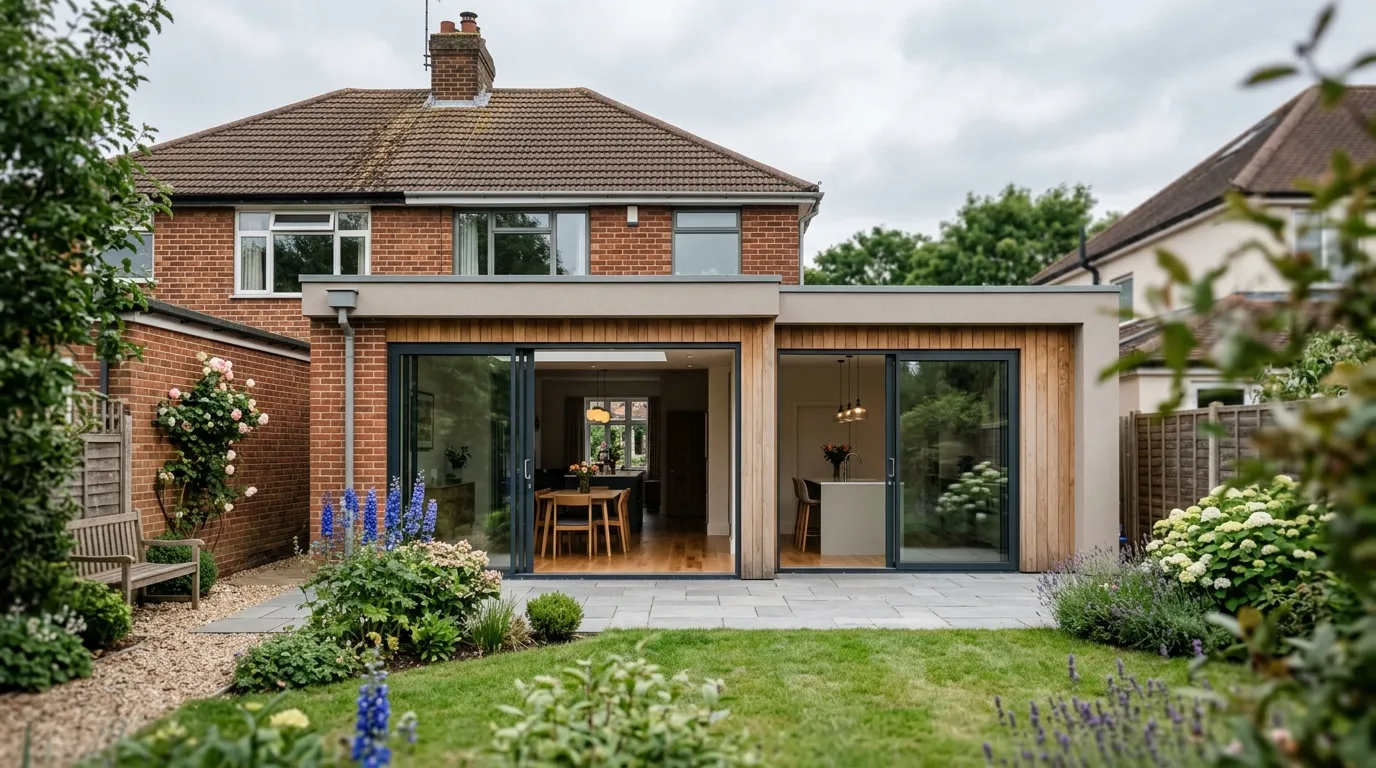
Do You Need Planning Permission for a Modular Extension? UK Rules Explained
Most modular extensions fall under permitted development and need no planning permission. Here are the UK size limits, prior approval and building regs rules.
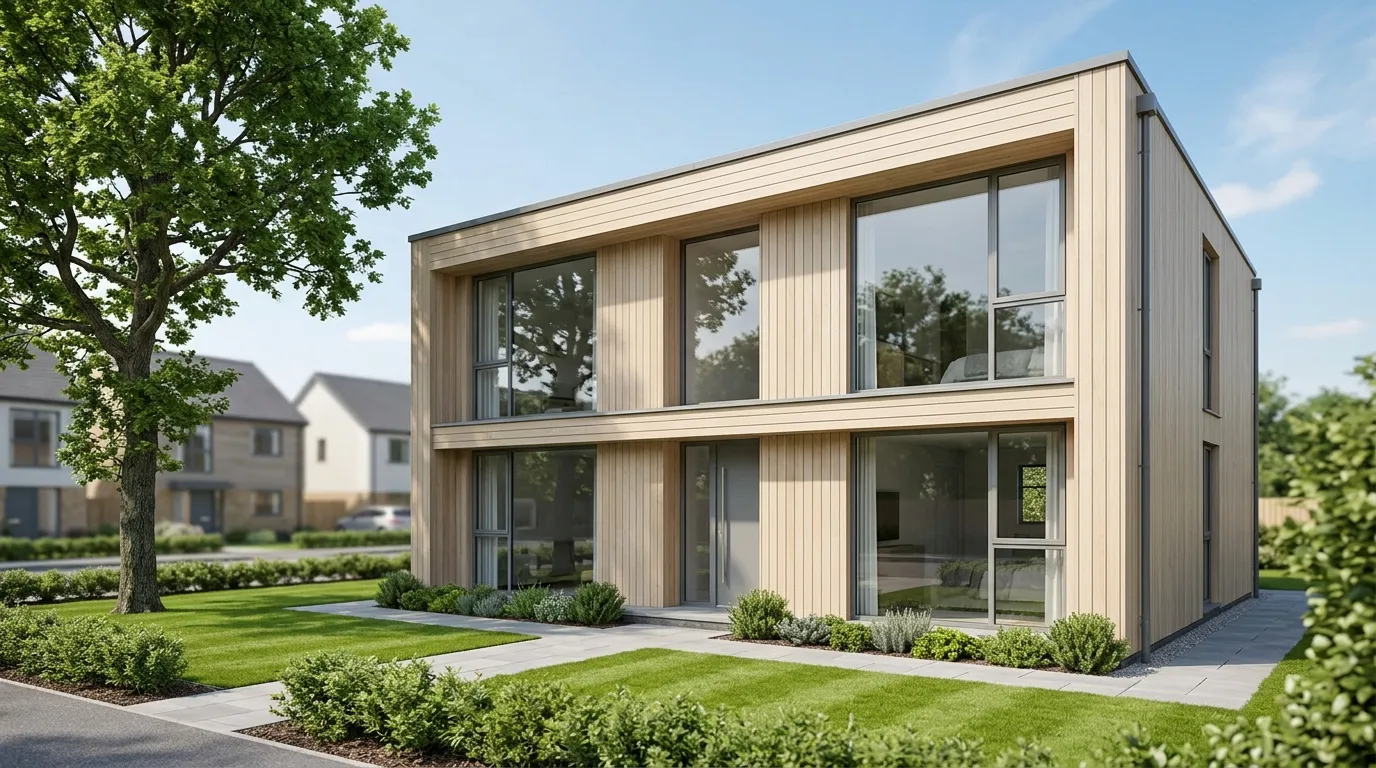
Can You Get a Mortgage on a Prefab House? UK Lender Guide for 2026
Yes, you can get a prefab house mortgage in the UK. Here is which lenders accept them, the deposit you need, and the certificates that make or break your case.