Volumetric vs Panelised Modular: What's the Difference?
By the The Modular Home Review team
Updated 2026
When you start researching offsite homes, the volumetric vs panelised modular question is the first real fork in the road, and the two approaches behave very differently on cost, transport and what your site can take. Both are factory-built, both fall under modern methods of construction, but one arrives as finished rooms and the other as flat panels you assemble on site. Choosing the wrong one for your plot can add cost and delay, so this guide explains how each works, where each wins, and how to tell which suits your project before you commit to a supplier.
If you are still weighing offsite against bricks and mortar generally, start with our modular versus traditional build comparison and come back.
The core difference in one line
- Volumetric (3D) modular is built as complete, room-sized boxes in the factory, finished inside, then craned onto your foundations.
- Panelised (2D) modular is built as flat wall, floor and roof panels in the factory, then transported and assembled into a three-dimensional house on site.
Everything else, the cost, the transport, the design freedom, flows from that single distinction: whole rooms versus flat panels.
Volumetric: finished rooms, craned into place
Volumetric construction delivers the most complete factory product. The modules arrive with floors, ceilings, walls, wiring, plumbing and finishes largely done, and a crane lifts them straight onto prepared foundations. The whole shell can be watertight in days.
Where volumetric wins:
- Speed on site. Because most of the build happens in the factory, the on-site programme is short, which cuts the time you are exposed to weather and site costs.
- Quality control. Building in a controlled factory means tighter tolerances and fewer site defects than a wet, open-air build.
- Less site disruption. Most labour is in the factory, so the plot itself sees less traffic and mess.
Where volumetric struggles:
- Design flexibility. Modules are box-shaped, which makes complex gables and following an awkward site contour harder.
- Economies of scale. It is most efficient when you repeat a small number of designs, which suits developers more than a one-off self-build.
- Transport and access. A finished module is bulky. It needs a wide, clear route and serious crane access, which rural and tight urban plots often cannot provide.
Panelised: flat panels, assembled on site
Panelised construction sends flat factory-made panels (open panels with the frame exposed, or closed panels pre-insulated and clad) to site, where they are erected into the house. SIPs and timber-frame panels are common examples. More of the assembly happens on your plot, but the panels themselves are precise factory components.
Where panelised wins:
- Transport. Flat panels stack tightly, so a single lorry carries far more house than it could in finished-module form. That means fewer deliveries and lower transport cost.
- Site access. Panels navigate tighter approaches and smaller plots than a crane-lifted module, which is why remote and rural sites usually favour panelised systems.
- Design freedom. Panels adapt to bespoke layouts, unusual shapes and tricky contours far more readily than fixed boxes, and they are easier to adapt in future.
Where panelised struggles:
- More on-site work. Assembly, services and finishing happen on your plot, so the on-site programme is longer than volumetric and more exposed to weather.
- Coordination. More trades on site means more to manage than craning in finished rooms.
So which is cheaper?
There is no flat answer, because the cost balance depends on scale and site. Volumetric carries higher transport cost per home but can be mass-produced very efficiently, so it tends to pay off on large, repetitive developments where the factory runs many identical units. Panelised keeps transport cheap and adapts to one-off designs, which usually makes it the more economical and practical route for an individual self-build or a difficult plot.
In short: repetition and easy access favour volumetric; bespoke designs and constrained sites favour panelised. For a realistic view of where the money goes either way, see our 3-bedroom prefab house cost breakdown.
The hybrid middle ground
You do not always have to choose one or the other. A common approach combines the two: build the house from panels, but drop in factory-finished volumetric pods for the kitchen and bathroom, the most service-heavy, complex rooms. That captures the factory quality where it matters most while keeping the design flexibility and easier transport of panels. Both methods sit within the recognised modern methods of construction framework that the NHBC and warranty providers assess, so neither is a barrier to a standard new-home warranty.
How to choose for your project
Run through these questions:
- What is your site access like? Tight or rural access points strongly towards panelised. A wide route with crane room keeps volumetric open.
- How bespoke is the design? A unique, contour-hugging design favours panels; a simple repeatable box suits volumetric.
- How many homes? One-off self-build leans panelised; a multi-unit scheme can unlock volumetric’s factory efficiency.
- How fast do you need the shell up? If minimising on-site time is critical, volumetric is hard to beat.
- What are the foundations? Both need accurate foundations; our modular home foundations guide covers what each method demands.
Frequently asked questions
What is the difference between volumetric and panelised modular construction? Volumetric construction builds complete, finished room-sized modules in a factory and cranes them onto your foundations. Panelised construction builds flat wall, floor and roof panels in a factory and assembles them into the house on site. The simplest way to remember it: volumetric is finished 3D boxes, panelised is flat 2D panels.
Is volumetric or panelised cheaper? It depends on scale and site. Volumetric has higher transport costs but mass-produces efficiently, so it suits large repetitive developments. Panelised keeps transport cheap and adapts to bespoke designs, which usually makes it the more economical and practical choice for a single self-build or a constrained plot.
Which is better for a rural or hard-to-access site? Panelised, almost always. Flat panels stack onto fewer lorries and navigate tighter, narrower site approaches, whereas volumetric modules are bulky and need a wide route and substantial crane access that remote or tight sites often cannot provide.
Is panelised construction faster than volumetric? No. Volumetric is faster on site because the rooms arrive finished and are simply craned into place, often watertight within days. Panelised involves more assembly, services and finishing on your plot, so the on-site programme is longer, though much of the panel work is still done in the factory.
Can you combine volumetric and panelised? Yes. A common hybrid builds the house from panels but uses factory-finished volumetric pods for the kitchen and bathroom, the most complex rooms. This captures factory quality where it matters while keeping the design flexibility and easier transport of a panelised system.
The bottom line
Volumetric vs panelised modular comes down to finished rooms versus flat panels, and that choice ripples through cost, transport, design freedom and site access. Volumetric suits fast, repetitive builds with easy access; panelised suits bespoke designs and tricky plots; and a hybrid gives you some of both. Match the method to your site and your design before you shortlist suppliers, not after.
Independence note
We buy or borrow access to the builds we cover and accept no payment from manufacturers for reviews. If that ever changes on a given piece, we tell you at the top.
More from The Modular Home Review
All articles →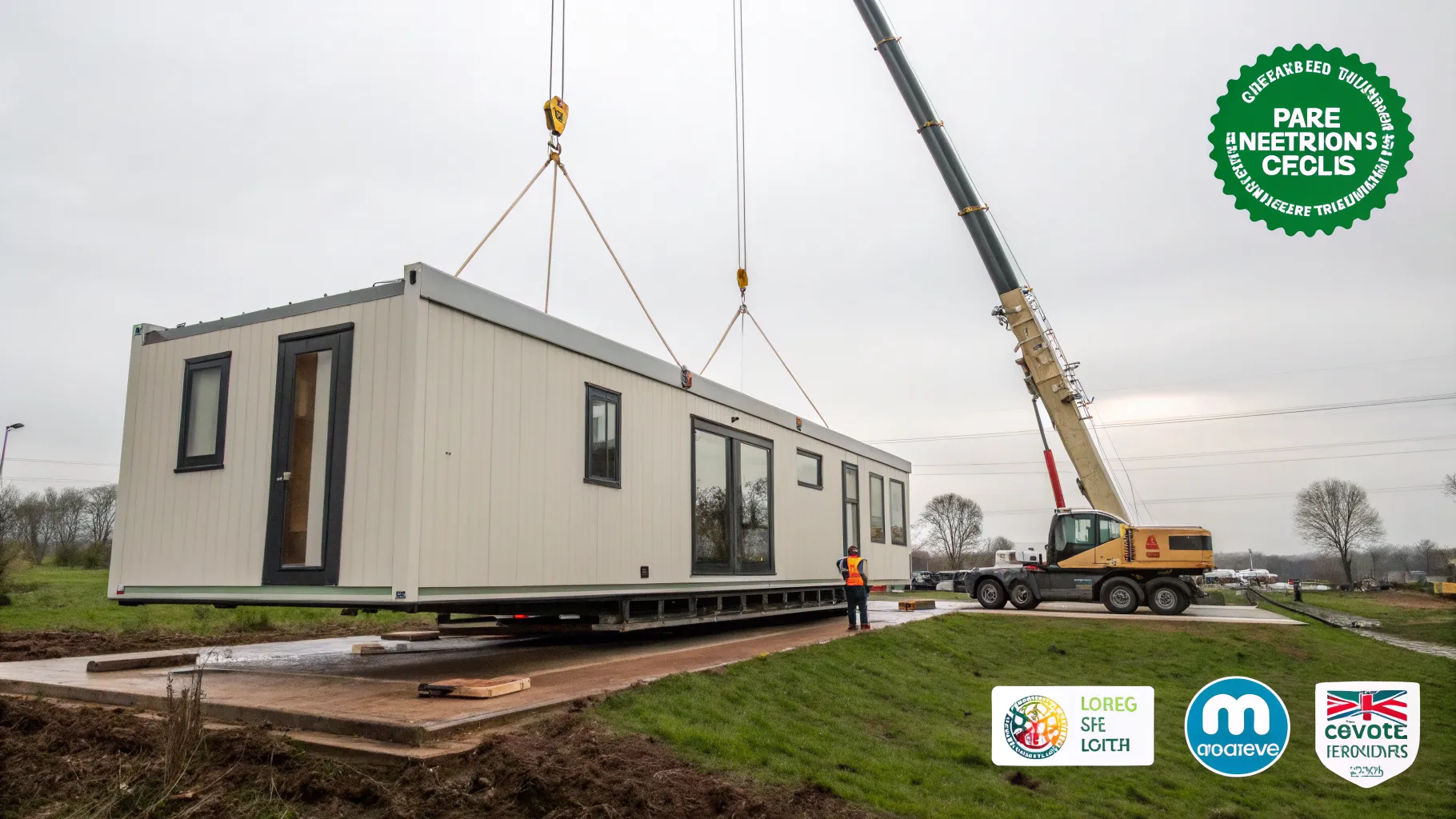
How Much Does a Modular Home Cost in the UK? 2026 Price Breakdown Per m2
Modular home cost UK: a 2026 per m2 breakdown covering the module, groundworks, connections, planning and the hidden extras most quotes leave out.
Do You Need Planning Permission for a Modular Extension? UK Rules Explained
Most modular extensions fall under permitted development and need no planning permission. Here are the UK size limits, prior approval and building regs rules.
Can You Get a Mortgage on a Prefab House? UK Lender Guide for 2026
Yes, you can get a prefab house mortgage in the UK. Here is which lenders accept them, the deposit you need, and the certificates that make or break your case.