Modular and Prefab Home Extensions: Costs and What to Expect
By the The Modular Home Review team
Updated 2026
The modular home extension cost question rarely has a single tidy answer, because so much of the price sits in the parts people forget: the foundations, the groundwork, the delivery, and the finishing. The headline figure for the module itself is only ever half the story. This guide gives realistic UK cost ranges for a modular or prefab extension in 2026, shows how they compare to a traditional brick-and-block build, and lists the extras you need in the budget so the final bill does not surprise you.
Typical modular extension costs
As a broad UK guide, a modular or prefab extension usually works out at around £2,000 to £3,000 per square metre for a straightforward specification, rising to roughly £3,000 to £4,500 per square metre once design, glazing, roofing details, internal finishes and services are properly accounted for. For a typical single-storey extension that puts many projects in the region of £20,000 to £50,000 in total, though a large or high-spec addition can run well beyond that.
Treat those figures as indicative only. The real number depends on size, specification, site access and where you are in the country, and prices move with materials and labour, so always get written quotes for your own project. Our modular home cost calculator is a useful starting point.
How it compares to a traditional build
A conventional single-storey extension in the UK typically costs around £1,900 to £3,300 per square metre in 2026. So on a like-for-like basis, a modular extension is not automatically cheaper, and for extensions specifically the difference is smaller than many people expect.
Where modular tends to win is speed and disruption rather than raw price. Because the module is built in a factory while your groundwork happens on site, the on-site phase is far shorter, which cuts weeks of labour, scaffolding and mess. The trade-off is that factory-made materials and the module itself cost more up front. In higher-cost areas such as London, a modular system can undercut a traditional build; elsewhere the two often land close together. Our modular vs traditional build comparison goes into this in detail.
The extras that catch people out
The module price is never the whole cost. Budget separately for:
- Foundations and groundwork: the extension still needs proper foundations, and these are built conventionally on site. See our guide to modular home foundations.
- Delivery and craning: modules are large and often need a crane and good site access to lift into place. Tight or awkward sites add cost and sometimes rule modular out.
- Connections and services: tying the extension into your existing electrics, plumbing, heating and drainage.
- Making good: knocking through, structural work to the existing house, and matching finishes where old meets new.
- Planning and building control: fees, drawings and inspections. Many single-storey extensions fall under permitted development, but not all. Check first via our modular extension planning permission guide and the official Planning Portal.
- Finishes: flooring, decoration, kitchen or bathroom fit-out are frequently quoted separately.
Add these up and the “per square metre” figure makes a lot more sense.
Can you reclaim VAT?
For a straightforward extension to an existing home, standard-rated VAT normally applies and cannot be reclaimed, unlike a full self-build new dwelling, where the DIY housebuilder scheme can apply. There are exceptions, for example some work related to accessibility or certain conversions. It is worth reading our modular self-build VAT reclaim guide before you assume either way, because getting this wrong is expensive.
Is a modular extension worth it?
Choose modular if speed and minimal on-site disruption matter to you, if your site has the access for a crane and delivery, and if you value factory-controlled build quality. Choose traditional if your site is tight, if you want the lowest headline price and can tolerate a longer build, or if you want the flexibility to change the design as you go.
For many homeowners the honest position is that a modular extension costs broadly what a good traditional one does, but finishes far faster with far less mess. If that trade suits you, it is a strong option. If saving every possible pound is the priority, price both routes carefully before deciding.
Frequently asked questions
How much does a modular home extension cost in the UK? As a guide, expect around £2,000 to £3,000 per square metre for a straightforward modular extension, rising to about £3,000 to £4,500 per square metre for a well-finished one. That puts many single-storey projects in the £20,000 to £50,000 range in total, before extras such as groundwork and finishes. Always get written quotes for your own build.
Is a modular extension cheaper than a traditional one? Not always. For extensions specifically, modular and traditional costs often land close together, with a conventional single-storey extension running roughly £1,900 to £3,300 per square metre. Modular’s main advantage is speed and reduced on-site disruption rather than a lower headline price, though it can undercut traditional builds in high-cost areas.
What extra costs come on top of the module price? Foundations and groundwork, delivery and craning, connecting services, knocking through and making good, planning and building control fees, and internal finishes are all usually separate from the module price. These extras are the main reason a quoted per-square-metre figure and the final bill can differ significantly.
Do I need planning permission for a modular extension? Often not, as many single-storey extensions fall under permitted development, but it depends on the size, your property and its location. Conservation areas, listed buildings and larger extensions may need full planning permission. Always confirm with your local authority or the Planning Portal before committing.
Can I reclaim VAT on a modular extension? Usually no. Extensions to an existing home are normally standard-rated for VAT and cannot be reclaimed, unlike a full self-build new home under the DIY housebuilder scheme. Some accessibility work and certain conversions are exceptions, so check the specifics of your project before assuming.
How long does a modular extension take to build? Much of the module is built in the factory while groundwork happens on site, so the on-site phase is typically far shorter than a traditional extension, often weeks rather than months. The overall timeline still depends on design, planning, foundations and site access, so factor those in when comparing routes.
Independence note
We buy or borrow access to the builds we cover and accept no payment from manufacturers for reviews. If that ever changes on a given piece, we tell you at the top.
More from The Modular Home Review
All articles →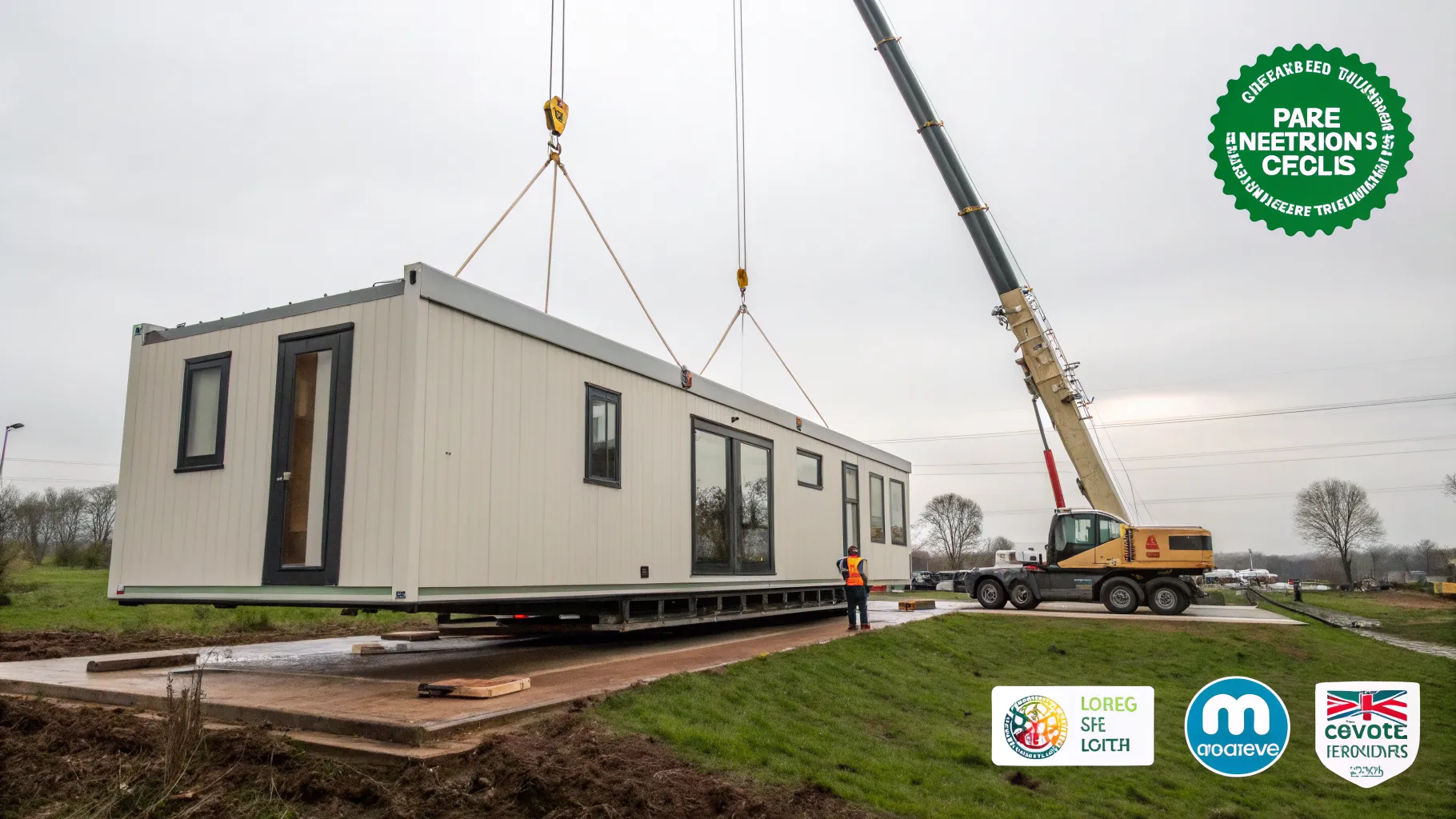
How Much Does a Modular Home Cost in the UK? 2026 Price Breakdown Per m2
Modular home cost UK: a 2026 per m2 breakdown covering the module, groundworks, connections, planning and the hidden extras most quotes leave out.
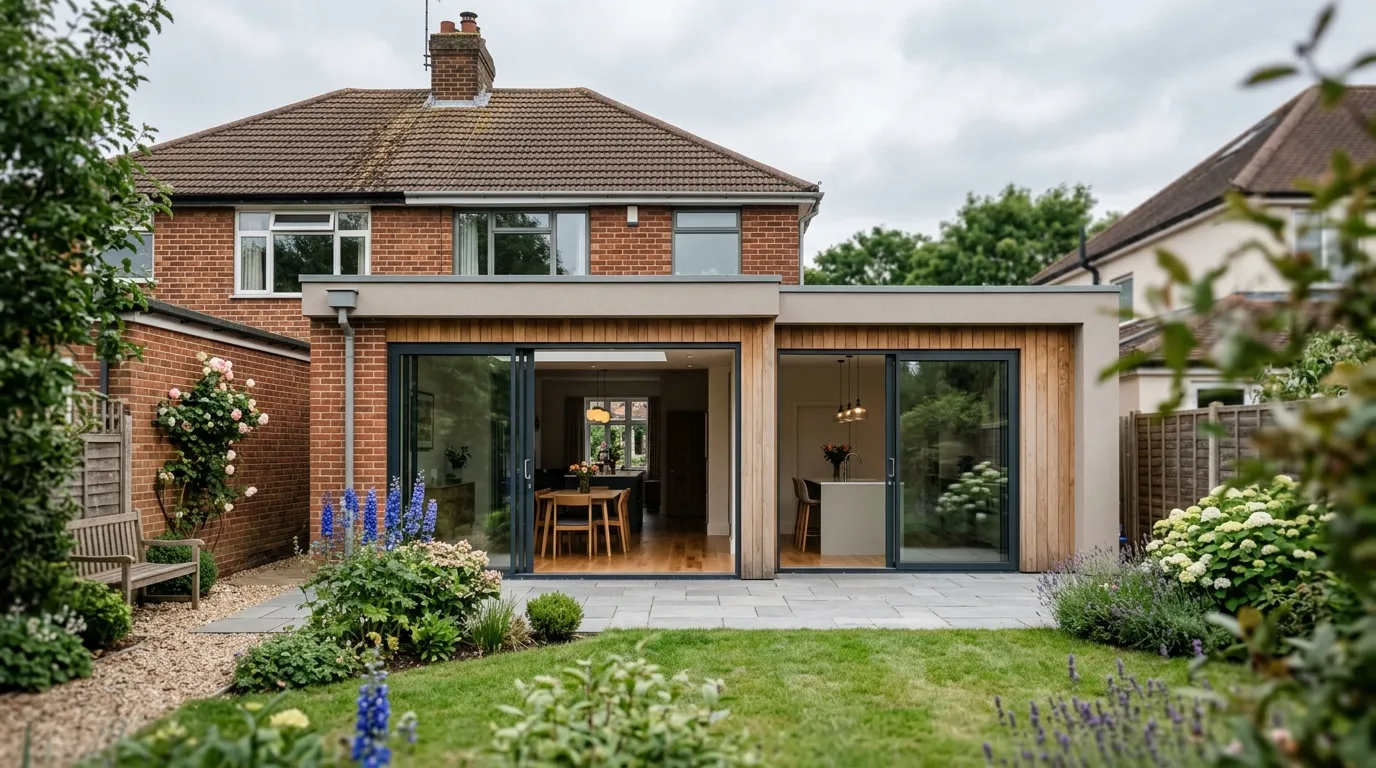
Do You Need Planning Permission for a Modular Extension? UK Rules Explained
Most modular extensions fall under permitted development and need no planning permission. Here are the UK size limits, prior approval and building regs rules.
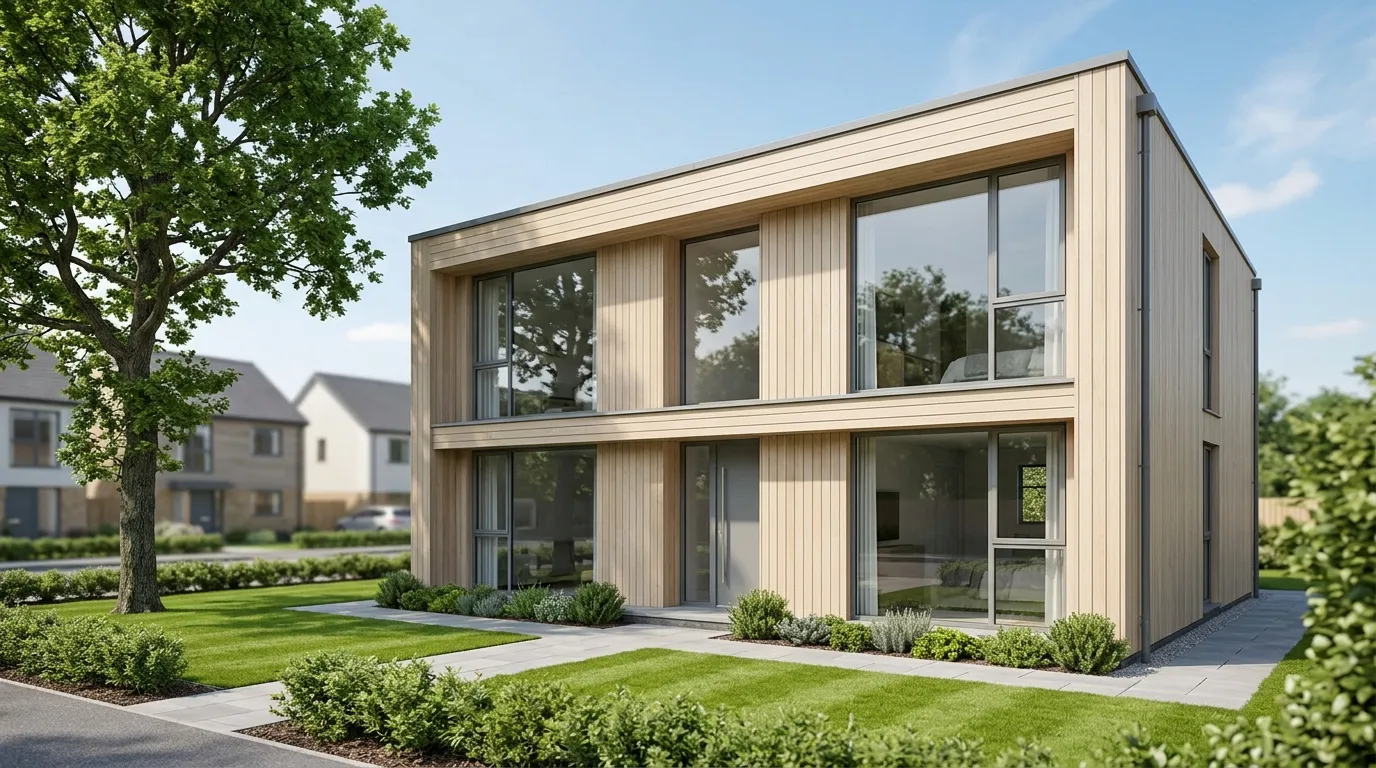
Can You Get a Mortgage on a Prefab House? UK Lender Guide for 2026
Yes, you can get a prefab house mortgage in the UK. Here is which lenders accept them, the deposit you need, and the certificates that make or break your case.