How Long Do Modular Homes Last? Lifespan and Durability
By the The Modular Home Review team
Updated 2026
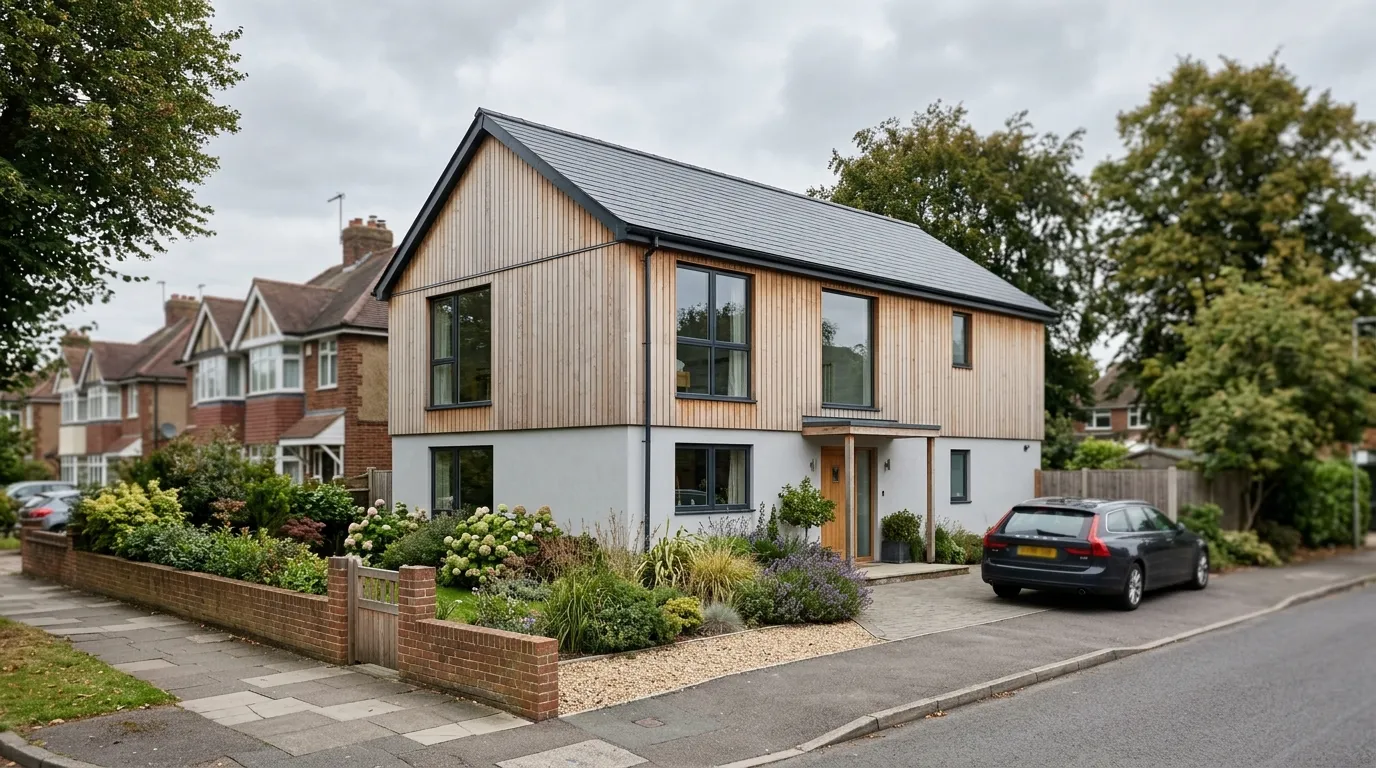
How long do modular homes last is the first question most buyers ask, usually with a mental image of a flimsy post-war prefab that was meant to be temporary. Modern modular homes are a different thing entirely. Built in a factory to the same Building Regulations as a brick house, a modern UK modular home is designed to last at least 60 years, and good ones are expected to last 60 to 100 years or more with normal maintenance. The lifespan question matters for more than peace of mind, though, because it directly affects whether you can get a mortgage. Here is the full picture.
The short answer
A quality modern modular home in the UK is built to a minimum 60-year design life, and often much longer. That figure is not marketing; it is the threshold lenders and assurance schemes work to. With sensible upkeep, there is no reason a well-built modular home should not last as long as a traditionally built house on the same plot.
The key distinction is between today’s precision-engineered modular homes and the temporary “prefabs” put up after the Second World War, which were designed for a short life of around 10 to 15 years (even if many outlasted that). Those old prefabs are why the word carries baggage. Our guide to post-war prefab houses explains that history and why it does not apply to modern offsite construction.
Why 60 years is the magic number
The 60-year figure keeps coming up because it is what mortgage lenders care about. Many lenders want confidence that a property has at least 60 years of useful life left before they will lend against it, especially for non-standard construction. That is where independent assurance comes in.
The main scheme is BOPAS, the Build Offsite Property Assurance Scheme, backed by the Royal Institution of Chartered Surveyors and Lloyd’s Register. BOPAS certification demonstrates that a system-built home will stand for at least 60 years, which reassures lenders and valuers. A modular home with BOPAS accreditation is far easier to mortgage, so if durability and resale matter to you, check for it before you buy. See our modular home mortgage guide for how lenders treat these properties.
Warranties: the 10-year cover
Alongside the design life, a new modular home should come with a structural warranty, exactly as a new brick house does. Expect one of the recognised 10-year warranties, such as NHBC Buildmark, LABC Warranty or Premier Guarantee. This covers structural defects for the first decade and is usually a condition of getting a mortgage. The 10-year warranty and the 60-year design life are two different things: one insures against early defects, the other describes how long the building is engineered to last.
What actually determines a modular home’s lifespan
Durability depends less on the fact it was built offsite and more on the same factors that govern any house:
- Build quality and materials. Factory construction is generally more consistent than site building, with tighter tolerances and controlled conditions, which helps longevity.
- The structural system. Timber frame, light-gauge steel or concrete modules each have long track records when detailed and maintained properly.
- Protection from water. As with any home, the biggest long-term enemy is moisture. Good cladding, roofing, guttering and ventilation are what carry a modular home past 60 years.
- Maintenance. A modular home needs the same upkeep as a traditional one: keep the weatherproofing sound and it will keep going.
With equal maintenance, a high-quality modular home is as durable as conventional steel-frame or masonry construction. It is not a shortcut on lifespan; it is a different way of building to the same standards. Our modular vs traditional build comparison weighs the two up in full.
Does lifespan affect resale and insurance?
Yes, indirectly. Because mortgageability hinges on that 60-year design life and schemes like BOPAS, a modular home that is properly certified sells much like any other house, while one without recognised accreditation can be harder to mortgage and therefore to sell on. Insurance follows a similar logic; see our prefab home insurance guide for what insurers look for. In short, the paperwork proving the lifespan is almost as important as the lifespan itself.
The verdict
Modern modular homes are built to last at least 60 years and commonly far longer, on par with traditional construction when maintained. The old “prefabs won’t last” worry belongs to a different era of building. What you should actually check is not whether a modular home lasts, but whether it carries the BOPAS accreditation and 10-year warranty that prove it, because those are what protect your mortgage, your insurance and your resale value.
Frequently asked questions
How long do modular homes last in the UK? A modern UK modular home is designed to last at least 60 years, and well-built ones are expected to last 60 to 100 years or more with normal maintenance, comparable to a traditional brick house.
Do modular homes last as long as brick houses? With equal maintenance, yes. A high-quality modular home built to Building Regulations is as durable as conventional masonry or steel-frame construction. Longevity comes down to build quality, keeping water out and regular upkeep, not the fact it was made in a factory.
What is BOPAS and why does it matter? BOPAS is the Build Offsite Property Assurance Scheme, which certifies that a system-built home will stand for at least 60 years. It reassures mortgage lenders and valuers, so a BOPAS-accredited modular home is much easier to mortgage and resell.
Can you get a mortgage on a modular home? Yes, though it is treated as non-standard construction. Lenders typically want at least 60 years of design life remaining, a recognised 10-year structural warranty and often BOPAS accreditation before they will lend.
Are modern modular homes the same as old prefabs? No. Post-war prefabs were temporary buildings designed for around 10 to 15 years. Modern modular homes are precision-engineered to full Building Regulations with a 60-year-plus design life, and the two should not be confused.
What maintenance do modular homes need? The same as any house: keep the roof, cladding, guttering and seals in good order so water cannot get in, and ventilate to avoid damp. Good weatherproofing is what carries a modular home well beyond its 60-year design life.
Independence note
We buy or borrow access to the builds we cover and accept no payment from manufacturers for reviews. If that ever changes on a given piece, we tell you at the top.
More from The Modular Home Review
All articles →
How Much Does a Modular Home Cost in the UK? 2026 Price Breakdown Per m2
Modular home cost UK: a 2026 per m2 breakdown covering the module, groundworks, connections, planning and the hidden extras most quotes leave out.
Do You Need Planning Permission for a Modular Extension? UK Rules Explained
Most modular extensions fall under permitted development and need no planning permission. Here are the UK size limits, prior approval and building regs rules.
Can You Get a Mortgage on a Prefab House? UK Lender Guide for 2026
Yes, you can get a prefab house mortgage in the UK. Here is which lenders accept them, the deposit you need, and the certificates that make or break your case.